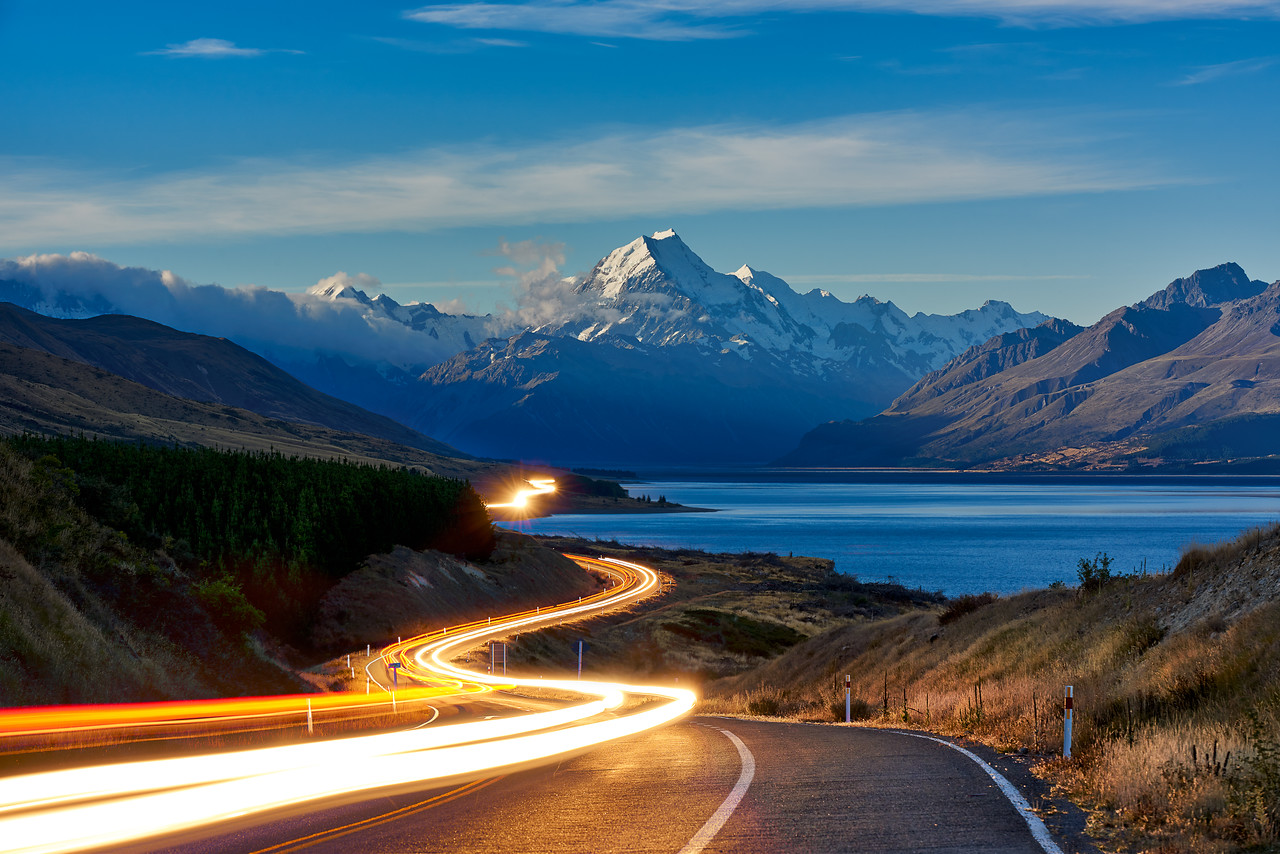
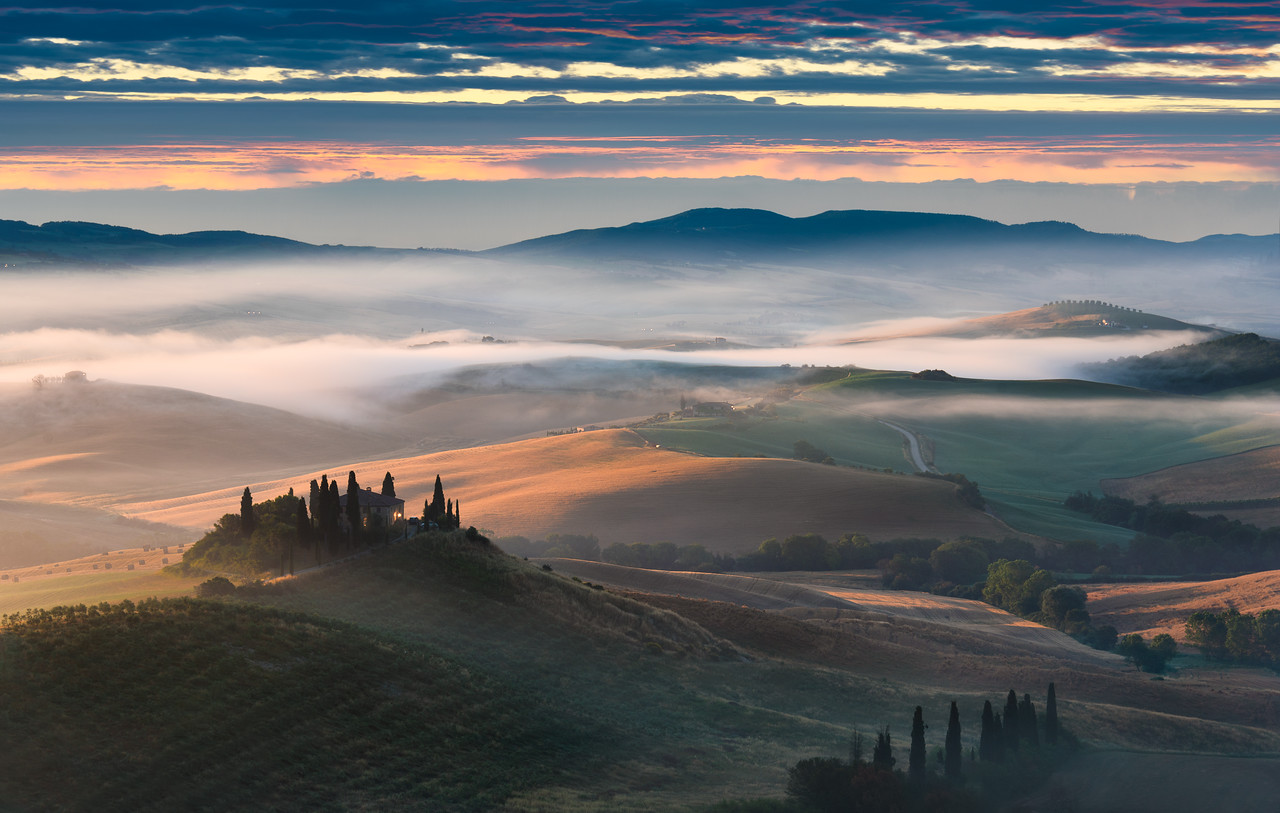
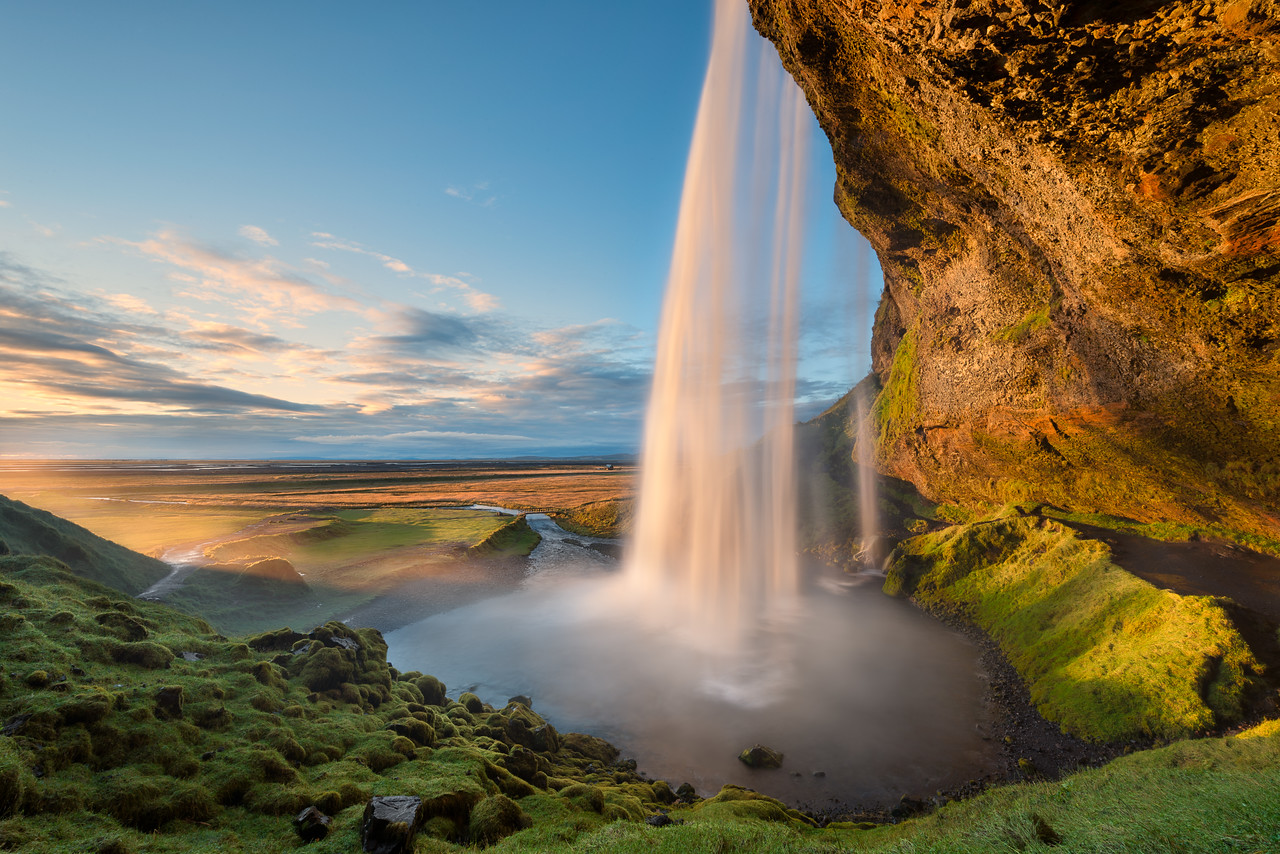
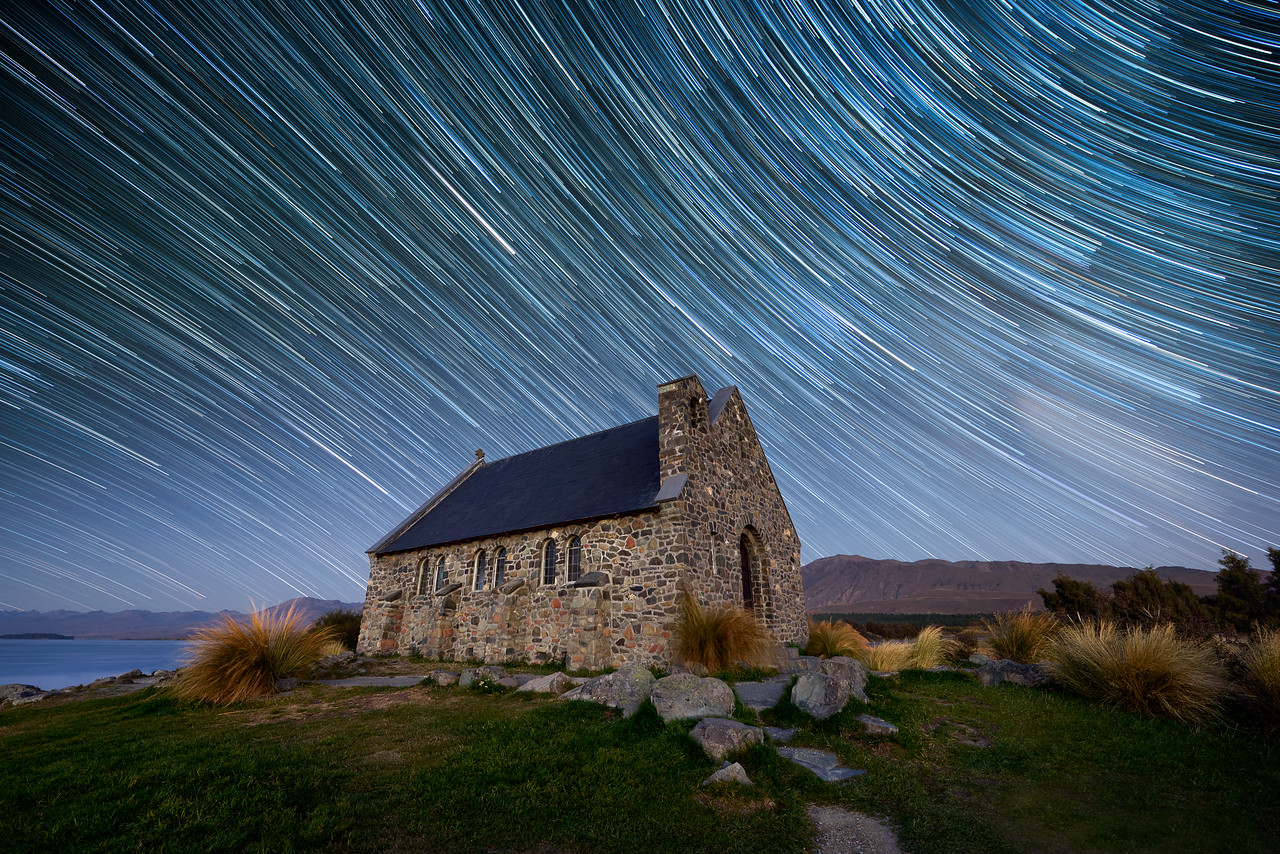
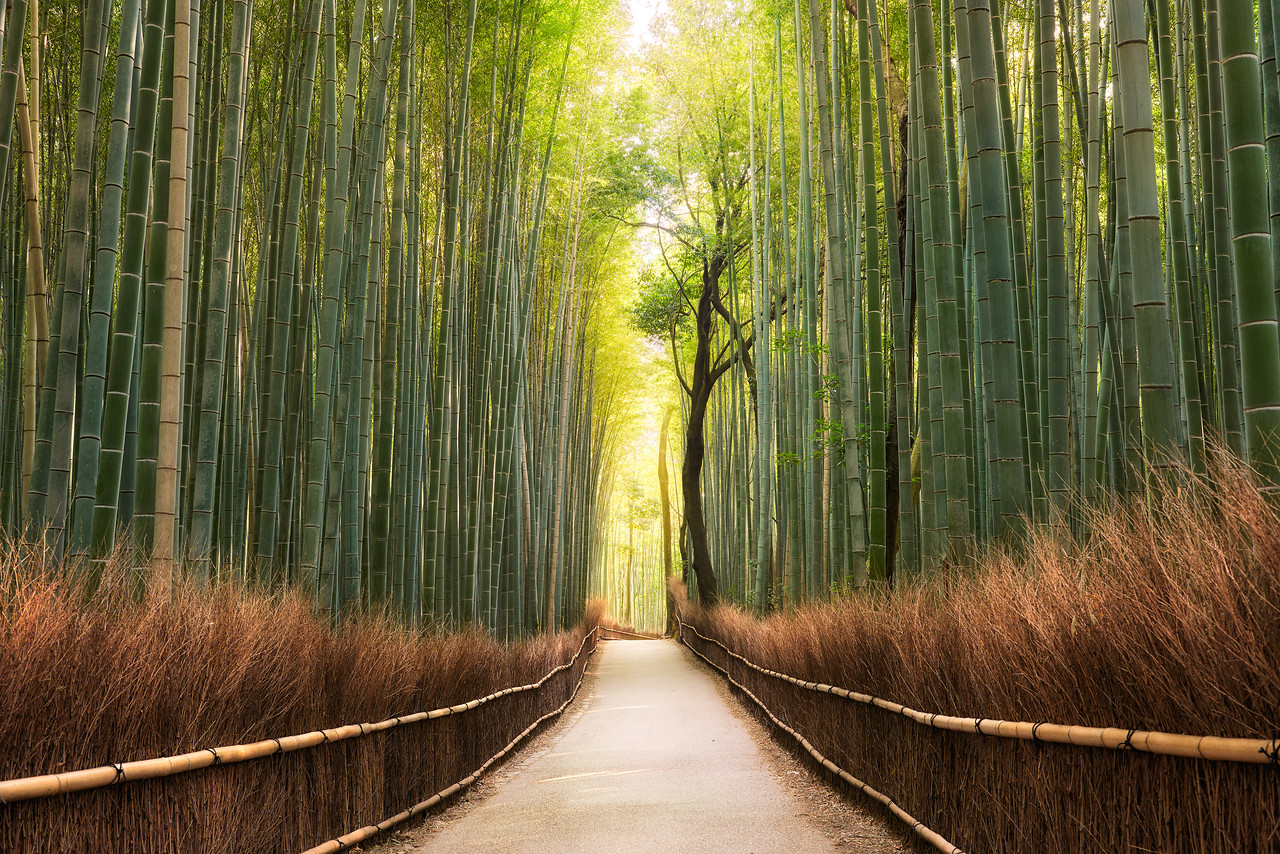
It’s not just about new places, but about light, time, culture, and the small moments in between. For me, photography became the bridge between those experiences and something visual—a way to turn simply standing in a place—sometimes exhausted, sometimes overwhelmed—into an image that feels honest and lasting.
I’m Elia Locardi, a travel and landscape photographer, educator, and storyteller. Since 2009, I’ve dedicated my career to exploring and photographing many of the world’s most beautiful locations and to sharing the process, techniques, and stories behind those images with photographers everywhere.
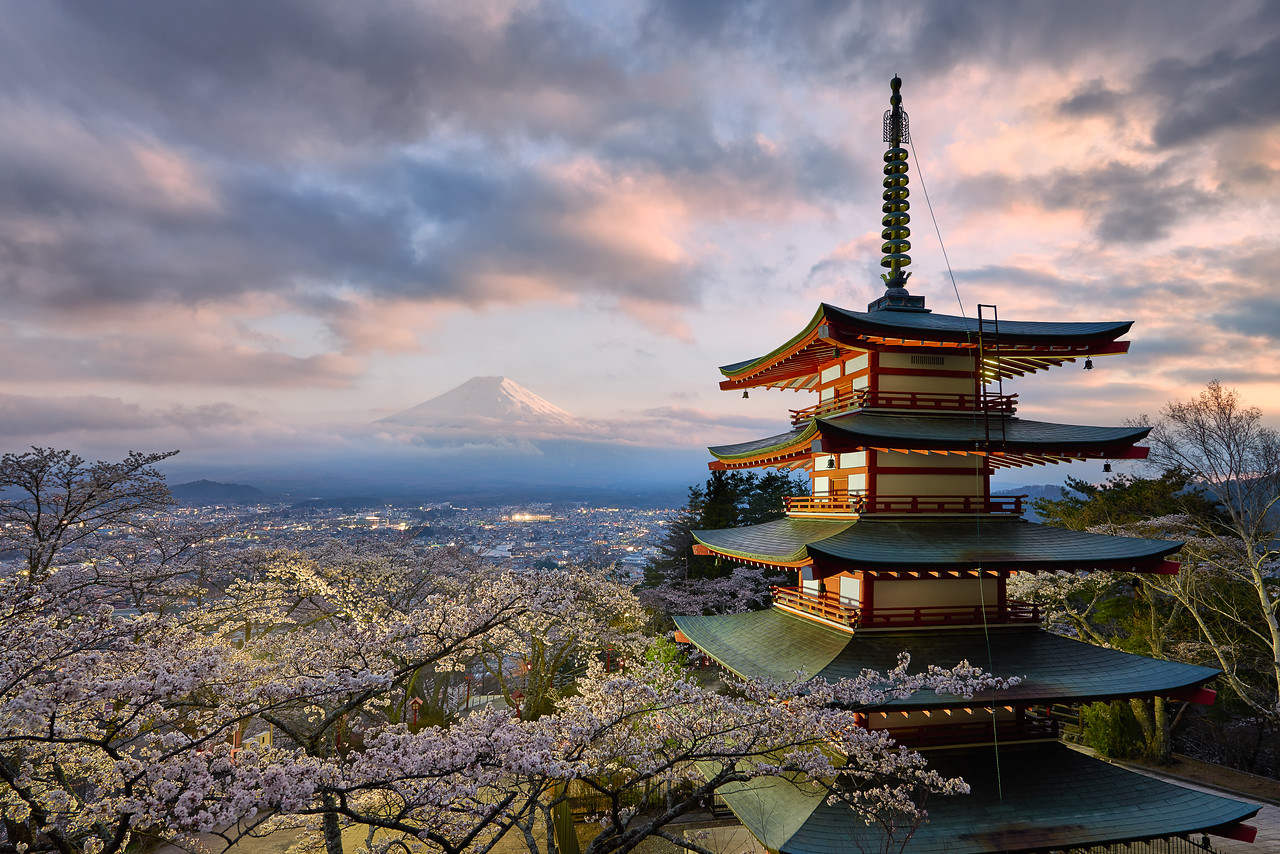
The goal has never been to collect destinations or chase pins on a map. It’s been to create photographs that feel like being there, preserving the atmosphere, emotion, and sense of presence that make each place unforgettable.
For more than 15 years, I’ve traveled millions of miles and photographed more than 70 countries—ranging from remote landscapes and ancient ruins to modern cities shaped by light, motion, and time.
In that time, the tools have transformed. Cameras are smarter, sensors more capable, and flying cameras and drones now offer vantage points that once existed only in our imagination. Technology keeps evolving, but it has never been the source of the emotion or meaning in a photograph.
This body of work didn’t come from chasing trends, gadgets, or shortcuts. It grew from returning to locations again and again, learning how weather, timing, culture, and patience shape a photograph long before the camera comes out—or lifts off.
Some images are years in the making, refined through planning and repeated visits. Others appear in a heartbeat—those fleeting moments of scrambling to add a neutral density filter before the light slips away, guided by an innate readiness to respond when something extraordinary begins to unfold. Light rewards patience, but capturing a truly singular moment depends on being present and prepared the instant everything aligns.
Each image is the result of observation, experience, and a deep respect for the places and people I encounter along the way. In the end, no matter how advanced the gear becomes, it’s the experience, the connection, and the story that give an image its true heart and soul.
Images shaped by light, atmosphere, and intent—captured across continents and suspended between moments in time. The tools have evolved from simple cameras to high‑resolution sensors and flying cameras that rise above the landscape, but the true photograph still begins in the same place: what it feels like to stand there.
Each image starts with a question: What does this place feel like right now? Not just how it looks, but how the air moves, how the colors breathe, and how the silence—or the chaos—settles into the frame.
The answer lives in timing, perspective, and restraint. It’s found in waiting for the exact alignment of light and shadow, in choosing a vantage point that reveals more by showing less—whether from the ground or the sky—and in deciding to remove anything that doesn’t serve the story.
Restraint is the art of simplicity—the discipline of subtraction. Even in an age of limitless resolution and aerial perspectives, the work is about stripping away distractions until only the essential remains. In that quiet space, a photograph becomes more than a record of a scene. It becomes an honest expression of a place in a single, unrepeatable moment.
This is the why behind everything I do: to create images that feel like standing there, in that brief equilibrium between light, silence, and chaos.
Dedicating his career to mastering the art of capturing the world since 2009.
That philosophy guides how I work. My images are defined by depth, clarity, and a natural balance between atmosphere and realism. That balance comes from a deliberate, methodical approach that begins long before I press the shutter and continues well into post‑production.
In the field, I lean on strong in‑camera fundamentals—careful composition, precise timing, and close attention to light and weather. I wait for the moment when the feeling of the place and the character of the light align, when the atmosphere matches the story I want the scene to tell.
In post, I add only what the image truly needs. Sometimes that means a single exposure with minimal adjustments. Other times, when a scene unfolds over minutes or even hours, it calls for more advanced techniques like time blending, carefully merging multiple moments to carry the idea from my mind to the final image, preserving natural light, color, and detail without pushing the photograph beyond what it could genuinely look like.
The work is never about spectacle for its own sake. It’s about authenticity—images that reflect how a place actually felt: how the light moved, the atmosphere shifted, and the scene revealed itself over time. I want each location to feel alive, as if it could speak for itself—a scene waiting to be walked into. If the place could talk, this is what it would say.
From 2012 to 2017, Naomi and I were location independent — a more polite way of telling our parents we were going to be homeless. We sold everything we owned. No apartment. No storage unit. No car. No home base. We moved continuously, starting from scratch and figuring it out as we went.
It wasn’t glamorous. It wasn’t luxury travel. We were careful and frugal because we had to be. Instead of paying rent, car payments, insurance, and utilities, we redirected those expenses toward mobility and a simple, sustainable life on the move. That tradeoff is what made it possible. There was no blueprint. This was before influencers, before the creator economy, before Instagram reshaped how travel looked online. It was an all‑in decision without a safety net.
But the lifestyle wasn’t just logistical — it was emotional.
There’s an old saying that home is where the heart is. Over time, I realized I was leaving a part of my heart everywhere we went. The cultures, the landscapes, the people — they change you. What made it sustainable was that we had each other. There were seasons of momentum and happiness, and seasons of stress, doubt, and exhaustion. There were moments we almost stopped, when the uncertainty felt heavier than the freedom.
After the first year, we knew it wasn’t easy — but it was worth it. After the third, we felt there was nothing left to prove to ourselves. The remaining years became about balance and sustainability — learning how to build structure inside freedom.
That mobility became the operating system behind everything that followed.
We were already living this way when we met Lee and Patrick from Fstoppers. Location independence heavily shaped *Photographing The World*. The series wasn’t built from a studio schedule; it was built from real travel conditions. Being mobile meant we were always near something meaningful to photograph. It allowed us to stack projects intelligently — personal work, filming tutorials, testing cameras, lenses, tripods, and drones in real‑world conditions, producing marketing imagery, and forming partnerships — all woven into destinations rather than separated from them.
It also opened global doors. Because we were present and adaptable, we could align with tourism boards, government and non‑government organizations, and NGOs we genuinely wanted to work with. Mobility wasn’t about movement for its own sake — it was about proximity to opportunity and the ability to say yes when it mattered.
And then there were the realities no one talks about.
How do you live without a home base when you accumulate too much gear? The answer is: you don’t. You adapt. A storage unit in Bangkok. A friend’s house in Japan. An uncle’s basement parking area just outside Rome. Gear scattered across continents. Plans constantly revised. Sustainability eventually requires structure. Freedom without infrastructure collapses under its own weight.
The road of life twists and turns. No two directions are ever the same. Those years weren’t a straight line forward — they were detours, recalibrations, and returns. Sometimes we felt like we were progressing. Sometimes it felt like we were circling back to lessons we thought we had already learned. Growth isn’t linear. It spirals. You revisit the same fears and questions from a deeper place each time.
There were wrong turns, missed flights, creative droughts — moments when it would have been easier to quit. The path to wherever we thought we were going was rarely direct. We went down roads that didn’t lead where we expected. We turned back. We adjusted. And each time, we learned something we couldn’t have learned by staying still.
By the mid‑2010s, social media had begun manufacturing a version of travel that looked effortless — the perfect person in front of the perfect infinity pool, overlooking perfectly staged serenity. But we were already behind the curtain. We knew how constructed those moments could be. That wasn’t us. It wasn’t what we were building.
I never considered myself an influencer, and I never wanted to be. I may have chased the perfect shot — I still do — but not the perfect performance. I was interested in refining truth, not manufacturing it. Enhancing what was already there. Honoring the light, not inventing it. The difference matters.
Location independence wasn’t about gathering experiences like trophies. It was about being stretched — emotionally, financially, creatively — and discovering what remained when comfort was removed. It tested our relationship. It tested our resilience. It tested our belief in the life we were choosing.
In the process, that winding, imperfect road became the foundation for everything that came next.
Education has always been at the core of my work. Long before I was known as a travel photographer, my career was rooted in teaching and visual storytelling. At Miami International University of Art & Design, I taught Motion Design, Visual Effects, and Compositing, developing advanced courses and learning how to turn complex technical ideas into clear, practical lessons. In parallel, I worked in professional media production, designing motion graphics and broadcast packages for CBS News in Miami. That early work taught me how subtle choices in timing, color, and composition can completely change the way an image or video feels.
Photographing The World is the natural evolution of that teaching background. It also grew directly out of our years of location independence — filming, teaching, and working in the same real conditions I’d been living in for so long.
It’s a comprehensive tutorial series that brings students into the field and then carries them through the complete post‑processing workflow, showing how every decision connects from capture to final image.
On location, we focus on composition, light, timing, and exposure strategy—how to scout, adapt, and make deliberate choices in real time. In post, we build on those decisions with advanced yet practical workflows inspired by my visual effects and motion graphics experience: layered editing, careful color work, and refined, non‑destructive adjustments.
As cameras, software, and tools have evolved, the series has evolved with them, highlighting which techniques change with technology and which principles remain timeless. Across the installments, you can see my own style and process grow as well—from early approaches to composition and exposure to more streamlined, sophisticated workflows.
At its heart, Photographing The World is about teaching photographers how to think and see: to recognize potential in a scene, make intentional choices at every step, and create images that feel powerful, personal, and enduring.
My career grew alongside social media—but not because of it.
Some of my first creative friendships began on Flickr, back when photographers still talked to each other online. Later, in the early days of Google+, I became one of the first people in the world to reach one million followers—not by chasing attention, but by sharing my work, process, and ideas openly.
Rather than becoming what would later be called an “influencer,” I used those global connections to build something real: collaborations, partnerships, and long-term relationships with people and organizations who cared about craft.
Those connections led to work with companies like Google, Adobe, and Wacom, and to collaborations with tourism boards and cultural organizations in places like Bhutan, Australia, and Iceland—long before “creator marketing” had a name.
As platforms evolved—Facebook grew, Instagram reshaped photography—the tools changed, but my approach didn’t. I even consulted with Instagram in its early days, when the focus was still on creativity and community, before advertising took over.
From that early era, a few truths stayed with me:
Platforms come and go. Before algorithms, we had conversations. Algorithms change. Relationships compound.
Social media didn’t build my career—people did. The platforms were just the roads that made those connections possible. They opened doors, but I had to walk through them.
Everything I’ve built since—education, partnerships, products—began with showing up honestly and treating people like collaborators, not metrics.
Over time, that same honesty started to echo back in unexpected ways.
The life we were quietly building on the road — often out of sight and out of frame — began to be reflected through films, features, and the tools we helped shape.
Learn Elia’s complete workflow through the Photographing The World tutorial series, a partnership with Fstoppers.com. The team traveled to stunning locations worldwide—from the waterfalls of Iceland to the skylines of Hong Kong—to teach in-field shooting and advanced post-processing.
This video tutorial includes:
This video tutorial includes:
This video tutorial includes:
At some point, the story stopped being just ours to tell.
After years of building a life without a fixed address, SmugMug Films produced a short documentary about our journey. The film — Nomadic Photographic — showed what those years actually looked like: not polished travel glamour, but discipline, uncertainty, partnership, and long‑term commitment. It focused less on the destinations and more on the philosophy that held everything together. Seeing that chapter told through someone else’s lens was a moment of perspective. It meant the experiment was real.
That same era overlapped with a major shift in software.
While living and working fully on the move, I collaborated closely with Adobe, helping shape the early stages of serious mobile workflows — including bringing Adobe Camera Raw into Lightroom on iPad. At a time when professional editing on a tablet was still being questioned, we were pushing a simple idea: powerful tools didn’t need to be anchored to a desk. Editing in airport lounges and hotel rooms wasn’t a brand aesthetic; it was survival.
Both moments pointed to the same truth: mobility wasn’t a limitation. It was a proving ground.
The tools were tested under real pressure. The workflows were refined in transit. The lifestyle wasn’t staged for social media — it was engineered for sustainability. Long before the influencer era polished travel into performance, we were already behind the curtain, seeing how constructed that illusion could be.
The film didn’t invent the philosophy. It documented it.
And the software work didn’t follow the lifestyle. It was forged by it.
Eventually, I realized there was one perspective still missing: my own, told not as a tutorial or a feature, but as a story.
After years of teaching technique and building a life around movement, I felt a pull in the opposite direction. I didn’t want to make another tutorial or gear review. I wanted to tell a different kind of story.
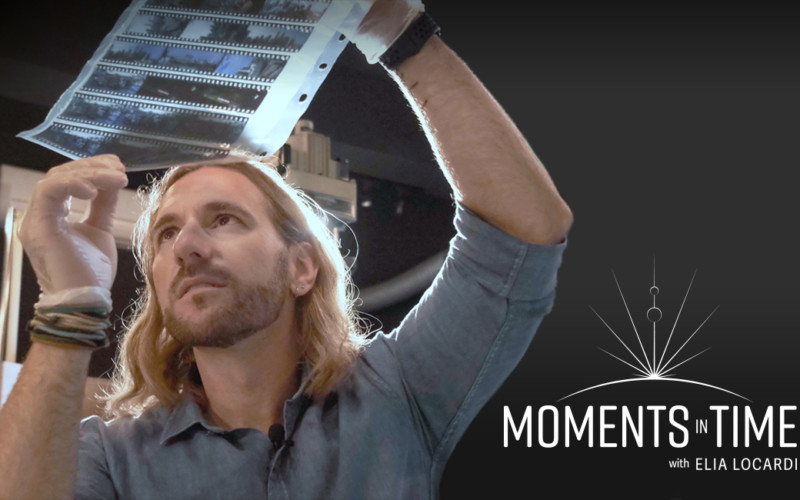
Moments in Time was born from that impulse. It wasn’t about the perfect frame. It was about the spaces in between — the human stories, the cultures, and the quiet transitions that shape how we see the world.
Filmed across multiple countries and released as a two‑season broadcast travel series, Moments in Time with Elia Locardi stepped beyond photography as instruction and into photography as reflection. Instead of walking viewers through sliders and settings, each episode lingers on the experience of being in a place at a particular moment — asking why we travel, what we carry with us from one location to the next, and how our perspective changes when we slow down long enough to listen.
The series reached well beyond the photography community, with distribution on platforms like Tubi and Apple TV, bringing the work into living rooms around the world. Coverage from outlets such as Fstoppers highlighted the show’s focus on story and atmosphere rather than technical breakdowns, noting how it follows the arc of travel itself — from anticipation and culture shock to quiet reflection. For many viewers, a familiar truth runs through the episodes: the camera may be pointed outward, but the journey is inward.
In many ways, Moments in Time marked a shift for me. After years of constant motion and technical precision, it became about something quieter. Less about capturing a place and more about understanding it. Less about performance and more about presence.
Moments in Time taught me how to pause.
In that pause, a different kind of clarity emerged — one that continues to shape how I photograph, how I teach, and what I choose to build next.
In 2012, when Fujifilm released the X-E1, most professionals still doubted that a small, mirrorless APS-C camera could handle serious work. That’s when Fujifilm and I began working together. I took early X Series cameras into the field, tested them on real shoots, and sent honest feedback straight to the teams building them.
But it wasn’t just the cameras I believed in—it was the people. They trusted me early, and I chose to trust them back. I didn’t switch systems because it was popular or “safe.” I switched because I believed in where the technology—and the people behind it—were going.
I made a move that surprised a lot of people: I left Nikon for Fujifilm long before mirrorless felt established. Friends and colleagues warned me I was heading in the wrong direction—fewer megapixels, smaller sensors, too much risk. Instead of debating specs, I went out and photographed the world.
With early Fujifilm X Series cameras—the X-E1, X-E2, and X-T1—I documented more than 20 countries and shared the results in a long-form review. The images spoke for themselves.
As mirrorless technology evolved, so did our relationship. I worked closely with Fujifilm on cameras like the X-T1 and X-T2—not just as a user, but as someone trusted to push the system hard and be candid about where it shined and where it struggled. The X-T2 became my tipping point: the moment mirrorless stopped feeling like a compromise and started feeling like a system I could trust completely. I wrote about that shift. in Fujifilm X-T2: First Look & Hands-On Review.
That trust led to the next leap: medium-format mirrorless. I became an early adopter and tester of the Fujifilm GFX Series, starting with the GFX-50S, helping prove that medium format didn’t have to stay in the studio—it could survive, and excel, in real-world landscape work. You can see that evolution in Capturing American Landscapes with the GFX-50S.
By Photokina 2018, I was on stage presenting for Fujifilm while conversations were already underway about a 100-megapixel GFX-100—an idea that would have sounded impossible just a few years earlier.
More than a decade after that initial leap, everything came full circle. I was invited to Tokyo as part of Fujifilm’s X-Summit for the launch of the X-T5—a camera built on more than 10 years of shared belief, development, and trust, from the early days of the X-E1 to a platform that helped redefine an entire category.
The mirrorless revolution didn’t happen because of specs. It happened because a few people were willing to trust ideas early—and to take the risk together.
Long before drones were something you could throw in a backpack, aerial photography meant leaning out of helicopters, harnessed in, chasing angles you could never reach from the ground. It worked—but it was expensive, restrictive, and anything but casual.
When the first small consumer drones appeared, I started experimenting the only way we knew how: duct‑taping a GoPro to a DJI Phantom 2. The footage was rough, but it opened a door. With the first gimbal on that same Phantom 2, we used it to film Photographing The World and prove that these little quadcopters could hold their own in real production.
That early work led to a direct collaboration with DJI on marketing for the Phantom 3 and Inspire 1. One of those flights—a Phantom 3 over the Vatican—became a turning point. The footage was later licensed by Lionsgate and used in John Wick: Chapter 2, a glimpse of how far these “toy helicopters” could go.
Then regulations tightened. Airspace closed, rules multiplied, and flying began to feel less like exploration and more like negotiation. I didn’t want to battle with regulations or share images from places where I no longer felt comfortable flying, so I put drones down for a while.
I never stopped believing in what they make possible. Drones, for me, were never about novelty. They were about access and perspective—another way to translate how a place feels into a single frame. It’s a style I plan to return to with fresh intention, when the experience can feel honest, responsible, and fun again.
Long before I ever thought about building software, I was already getting stuck inside it.
I started using Adobe Photoshop in 1999, when there was nothing automatic or easy about “fixing it in Photoshop.” Every adjustment was manual. Every decision mattered. That early experience shaped how I thought about images — not as something to be rescued later, but as something to be understood, respected, and finished with intention.
As photography became increasingly digital, my curiosity shifted from images to the systems shaping them. I spent years working closely with Adobe, helping develop tools that quietly changed how photographers work — including some of the same mobile workflows I’d been stress‑testing on the road, like bringing serious RAW editing to the iPad. At its best, software felt invisible. It stayed out of the way and helped photographers see more clearly, without telling them what to see.
As the industry moved forward, I stayed close to the edges of what was next. I worked with Skylum in the early days of Luminar AI, helping develop ideas like Sky Replacement — back when AI in photography was still understood as assistance, not authorship. I co‑created Light.art, a publishing platform exploring photography, technology, and NFTs, before speculation overtook curiosity — when the question was still *What does this unlock?* not *How fast can this sell?* I’ve always been drawn to new tools, not for their novelty, but for their potential.
Over time, the direction changed. Software stopped supporting decisions and started making them. Taste was replaced with defaults. Voice was smoothed away in the name of efficiency. The technology accelerated, but the intent behind it thinned. That’s when I realized the problem wasn’t AI itself; it was who it was being built for.
I didn’t arrive at this moment by accident, and I didn’t arrive at AI in photography untested or uncritical. I’ve been in the room — shaping tools, advising teams, and watching how creative software evolves when speed outruns care. That experience taught me something simple and stubborn: technology should sharpen human vision, not replace it.
After years of helping build tools for others, it became clear that if photography software was going to stay honest, it needed to be built from a different place — one grounded in the realities of a working photographer’s life, not just in the priorities of a product roadmap.

After years of teaching post-processing and collaborating with software and tech companies, one thing became impossible to ignore: editing software kept getting more complicated and increasingly disconnected from the way photographers actually think, feel, and work.
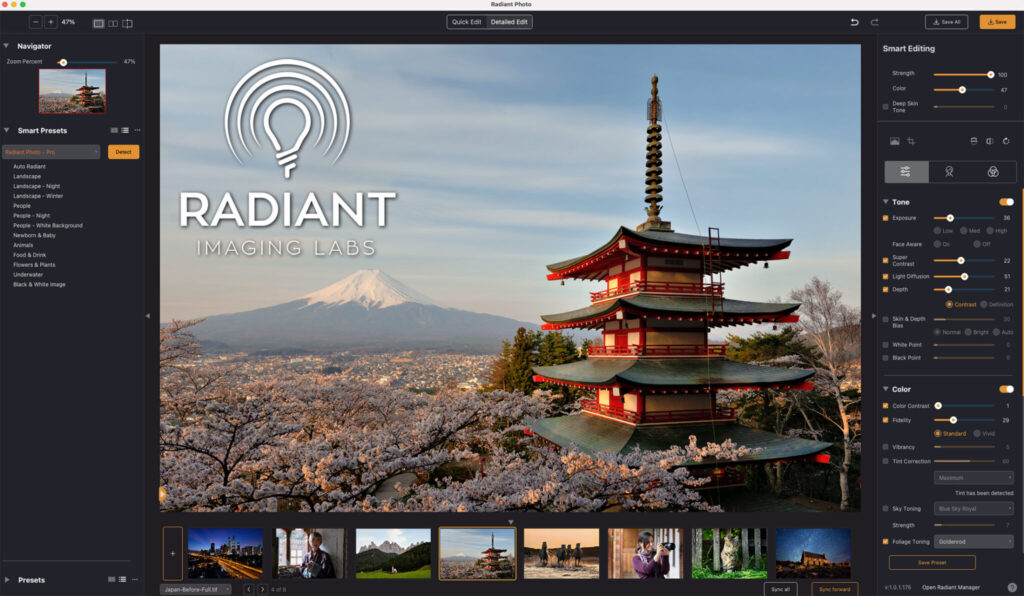
I co-founded Radiant Imaging Labs to create Radiant Photo — an editing platform built from a photographer’s point of view, not a programmer’s. Radiant runs on both desktop and mobile, using offline, assistive, non-generative AI to analyze light, color, and subject — enhancing the pixels you actually captured without inventing new ones, fabricating content, harvesting your data, or sending your images to the cloud. The goal was never to replace creative decisions — it was to honor them and support them.
I’ve always believed that photographers do their best work in open environments, not walled gardens. Radiant is designed to fit into your existing workflow and ecosystem, not lock you into ours.
You can’t truly design tools for photographers unless you’ve lived a photographer’s life. Throughout my career, I’ve traveled the world with a camera in hand, built a global business, and worked with major software companies while juggling the realities of professional photography — long flights, tight deadlines, late-night edits, early-morning shoots, and the constant tension between creativity and delivery.
Every part of that journey shaped what Radiant Photo needed to be: intuitive, respectful of your vision, grounded in real-world workflows, and fully under your control. Radiant doesn’t generate pixels or make aesthetic choices on your behalf. It begins with what’s already there — your light, your timing, your composition — and helps you more quickly reach the image you saw in your mind.
When we founded the company in 2022, Radiant Photo’s user base began to grow — and so did I. Stepping into the role of CEO was an unexpected evolution, but it soon felt like a natural extension of my creative work. Building Radiant pushed me to look beyond individual images and consider the entire ecosystem around photography: the tools, the teams, the business decisions, and the community we serve.
Learning to lead a company has made me more intentional in everything I do. It has sharpened my sense of what truly helps photographers and what simply gets in the way. That growth as a businessperson has fed directly back into my photography, making me more focused in how I shoot, edit, and tell stories.
As Radiant evolves, I’m evolving alongside it — as a photographer, an educator, a CEO, and a creator — refining the software in step with my own craft and the needs of the people who trust it.
Less time fighting sliders. More time creating.
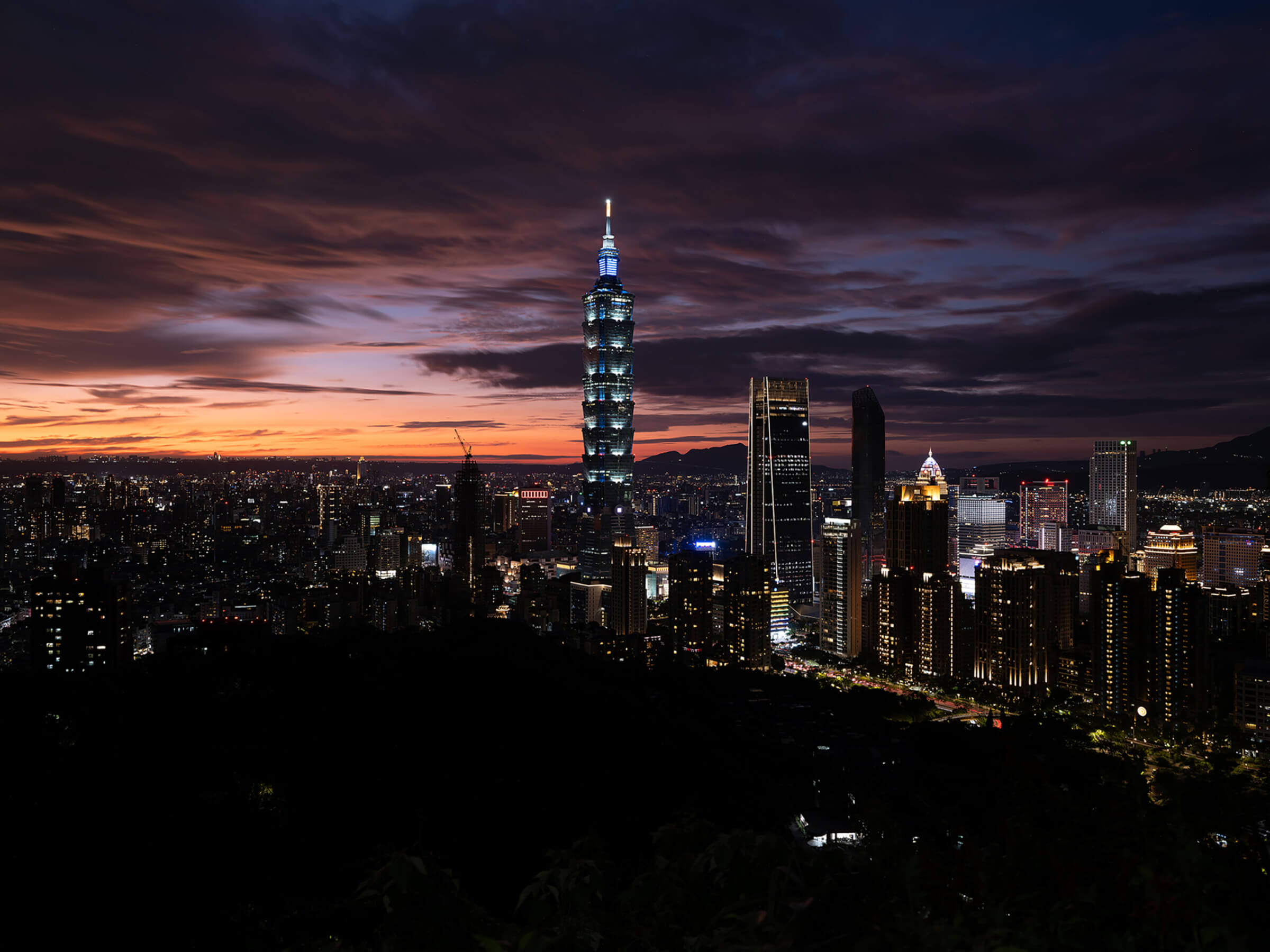
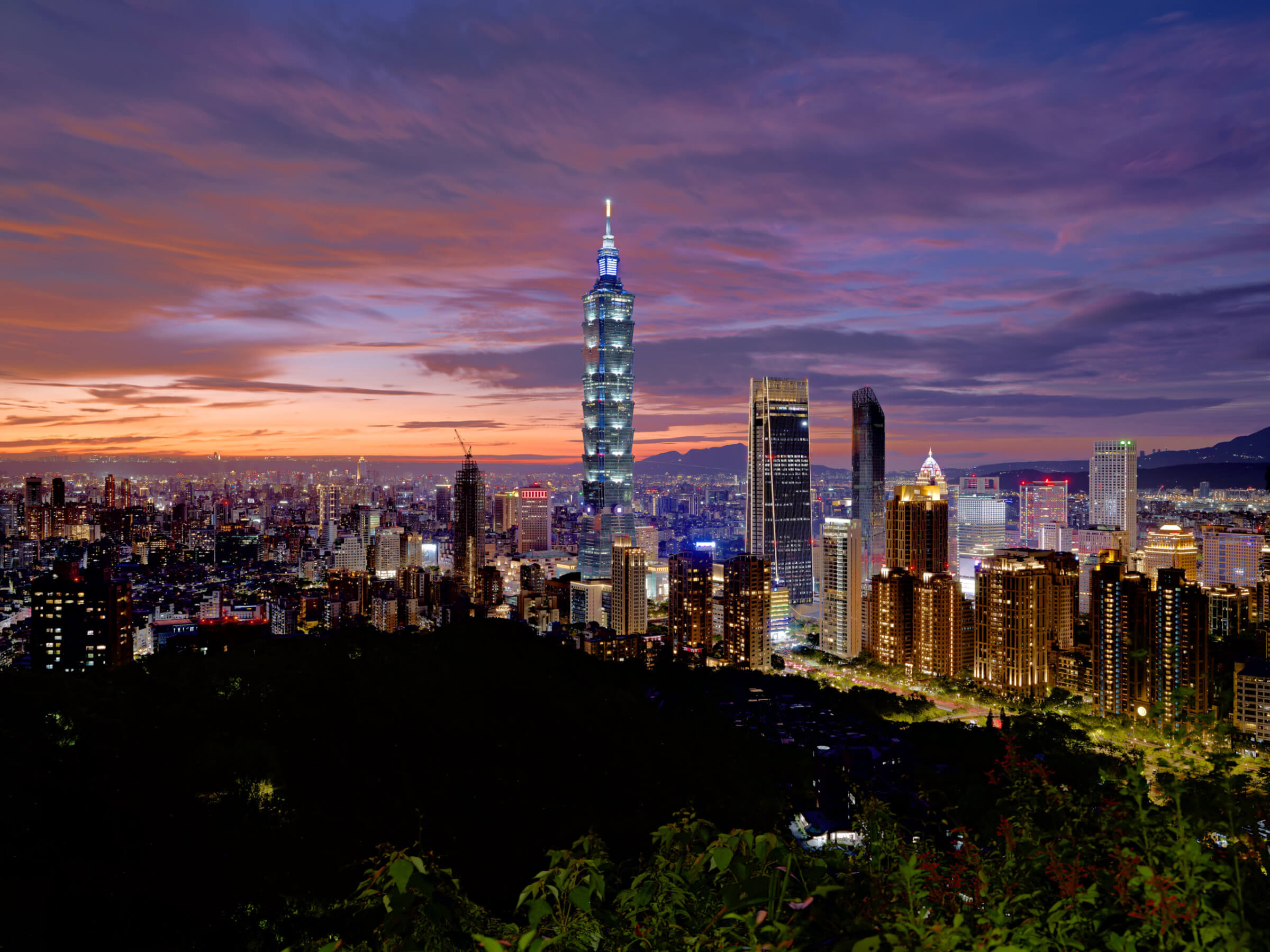
After more than three years of using Radiant Photo every day — on real assignments, tight deadlines, and long stretches on the road — I realized I wasn’t just using the software. I’d developed a specific way of working with it: familiar starting points, a consistent order of adjustments, and a rhythm to how I shape light and color in my travel and landscape images.
The Elia Locardi Travel & Landscape Signature Edition is that workflow, distilled. It takes the decisions I’ve repeated through thousands of edits in airports, Sky Clubs, hotel rooms, rental cars, mountaintops, and the occasional questionable street café, and turns them into something you can use in your own photography.
Sometimes you open a photo and know exactly what it needs. Other times you stare at it for twenty minutes wondering why you ever became a photographer. This Signature Edition is built for both — giving you honest, reliable starting points that respect the scene you captured while still leaving room for your own style.
This is workflow as expression. The AI isn’t deciding what your photos should look like — it’s tuned to how I work. The tonal balance, color relationships, and pacing of adjustments all come from years of travel and the constant pressure to deliver consistent results no matter where I’m editing.
And it follows the same principles Radiant was built on. These are your pixels. Nothing is generated or replaced. No fake skies. No Franken-faces. No cloud-based guesswork. Just ethical, offline, non-generative, assistive AI helping your real photographs look their best — faster, and with intention.
The Signature Edition isn’t about forcing a look. It’s about removing friction, so you spend less time wrestling sliders and more time shaping the story you had in mind when you pressed the shutter.
It’s personal work — born from daily use of Radiant Photo, refined on the road, and shared with the same trust I’ve always placed in this community.
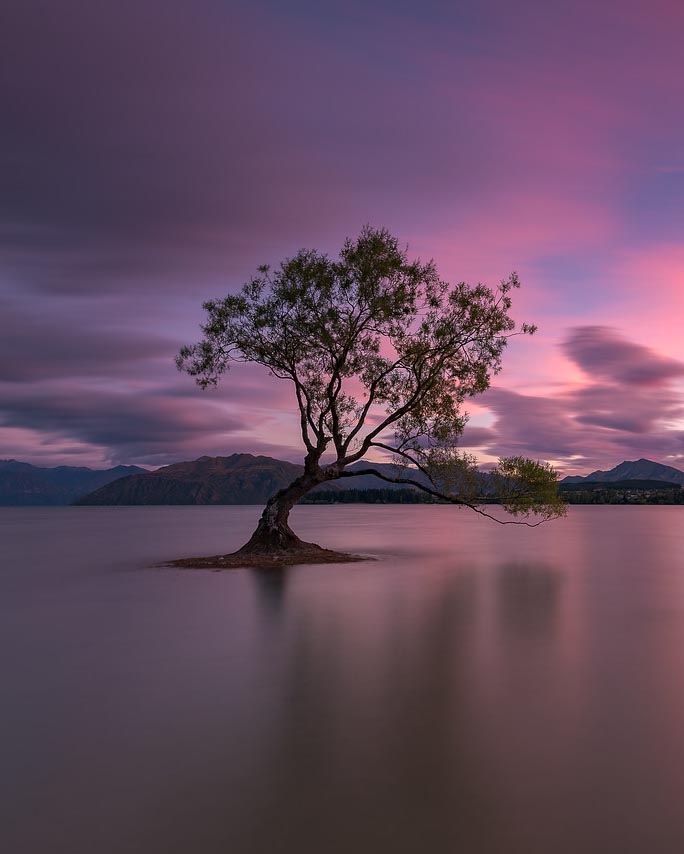
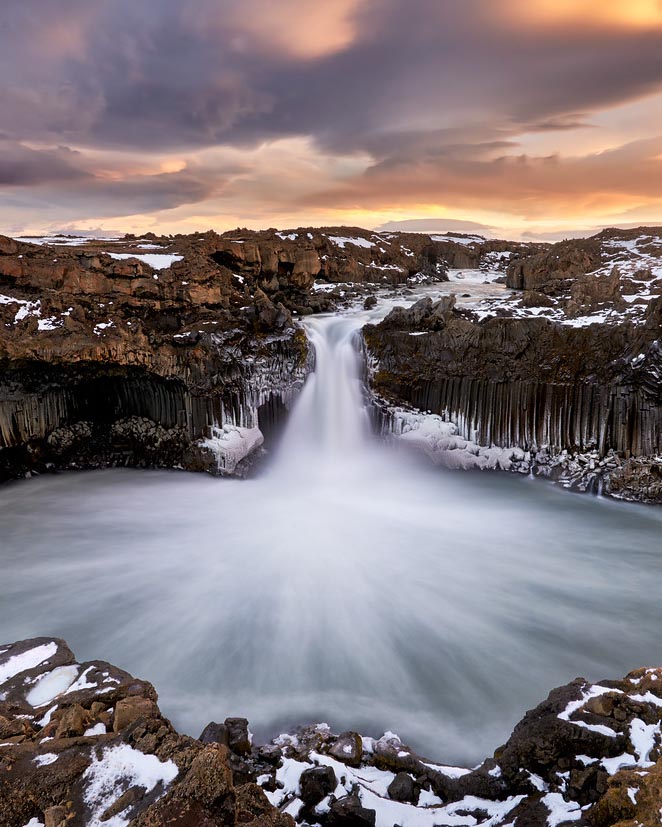
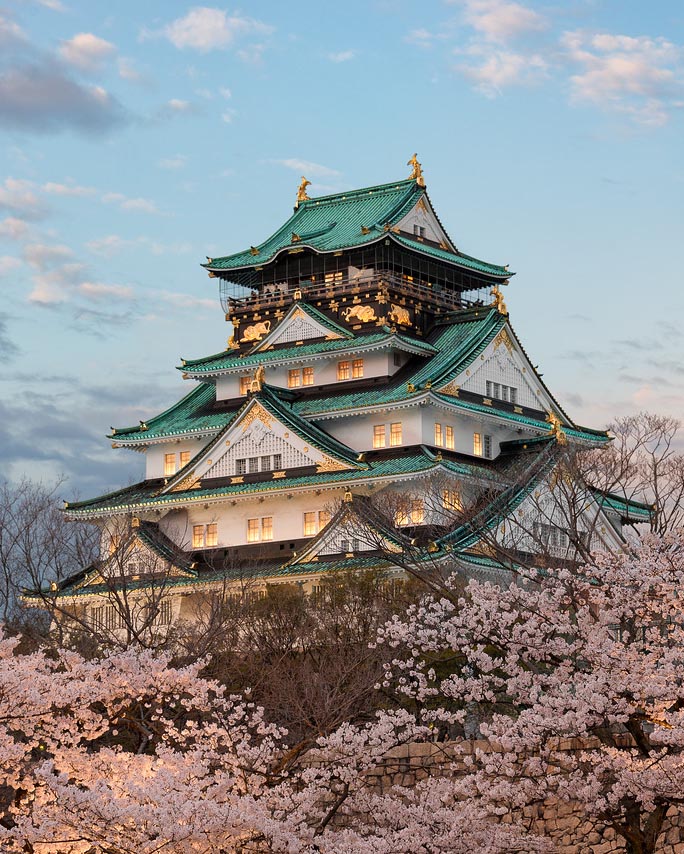
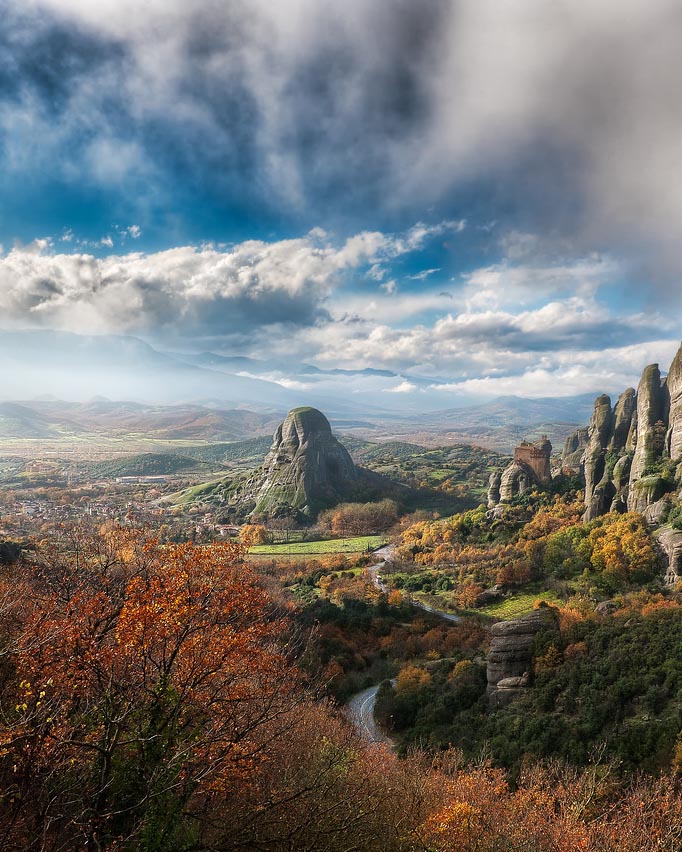
Today, my work lives at the intersection of photography, education, and innovation.
I continue to travel and photograph, seeking out new locations, new stories, and new ways to see familiar places. I teach and speak around the world, sharing both the technical side of the craft and the mindset required to create meaningful work over time. I also help build tools and platforms that respect the art and discipline of photography while supporting the next generation of creators.
Photography remains what it has always been for me: a way of understanding the world—and sharing that understanding with others. As I look ahead, my goal is to keep evolving, keep learning, and keep finding new ways to connect people through images, ideas, and experiences


On Photographing the World 1: Landscape Photography and Post-Processing
On Photographing the World 1: Landscape Photography and Post-Processing
On Photographing the World 1: Landscape Photography and Post-Processing
On Photographing the World 1: Landscape Photography and Post-Processing